Let's Talk Basmati
-
The Stellar Difference: Why This Basmati
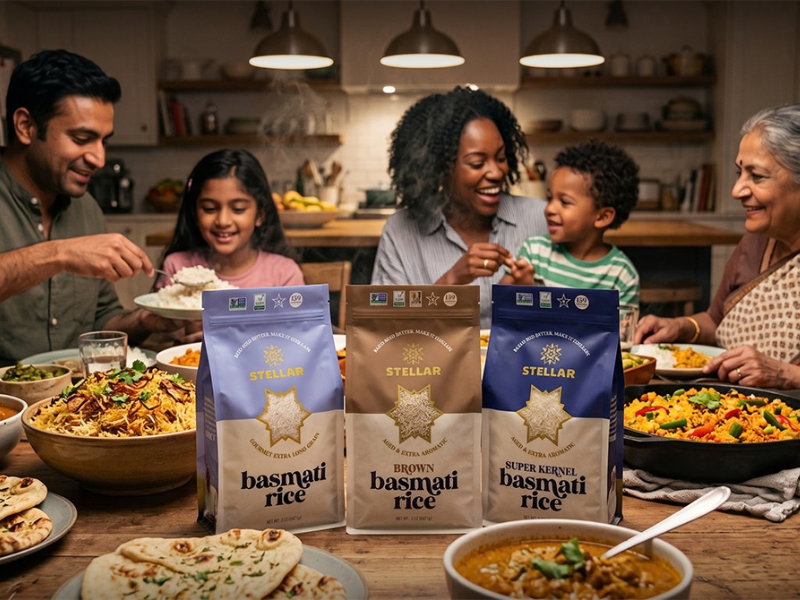
10.06.2026A lot of basmati brands will tell you their rice is special. Most of them are working from the same field. What actually separates one bag from another comes down to three things: where the rice was grown, how long it was left alone after harvest, and who grew it. Our answer to all three is more specific […]
Read More -

Pakistani vs. Indian Basmati Rice: What’s the Difference?
10.04.2026Pakistani and Indian basmati are close relatives, and the differences are smaller than the rivalry suggests. Both grow on the Indo-Gangetic plain, both are watered by Himalayan rivers, and Basmati 370 sits in the family tree of both countries’ modern varieties. What differs is the growing region, the varieties each country exports, and how carefully the rice is aged. Here’s an […]
Read More -
The History of Basmati Rice: Where It Really Comes From
10.03.2026Basmati rice comes from Punjab, in the foothills of the Himalayas. One of its traditional growing areas is the Kaalar Belt in Pakistan (also spelled Kalar or Kallar), a stretch of land between the Ravi and Chenab rivers. Nobody is quite sure where that name comes from. One theory points to salt in the soil, another to the way the two […]
Read More -
Whole Grains Month: Why Brown Basmati Belongs on Your Plate
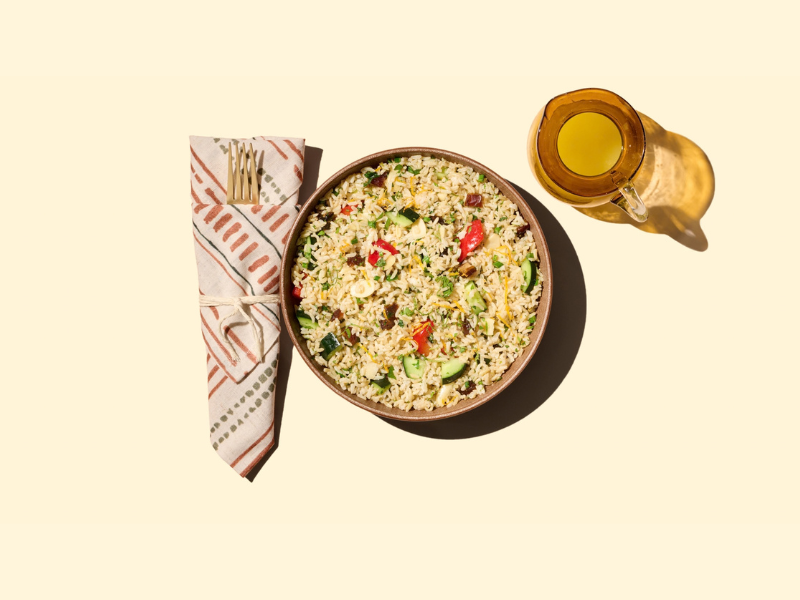
09.23.2026Every September, the Whole Grains Council runs Whole Grains Month, a push to get more whole grains onto people’s plates. It’s a good excuse to look past white rice for a minute and talk about what a whole grain actually is, what it does for you, and where brown basmati fits into that picture. What actually makes a grain “whole”? Every grain […]
Read More